
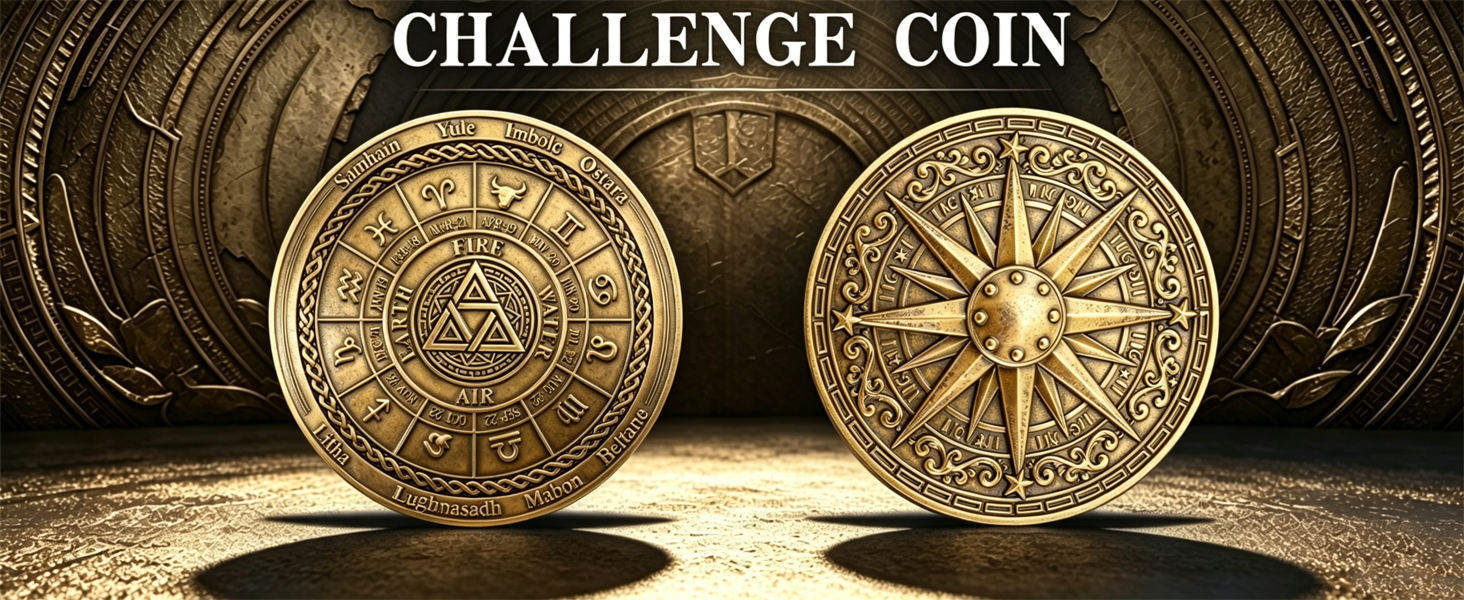
More Than Metal: The Enduring Appeal of Collectible, Challenge, and Sobriety Coins
Coins have always been more than currency. They mark history, celebrate identity, and carry stories that outlast the moment they were minted. For some people, a coin is a investment; for others, it is a token of belonging, a milestone of recovery, or a quiet reminder of who they are becoming. Collectible coins, challenge coins, and sobriety coins sit at the intersection of art, memory, and meaning—three distinct traditions that often overlap in surprising ways.
Collectible Coins: The Thrill of the Hunt
Coin collecting—often called numismatics—is one of the world’s oldest hobbies. What begins with a curious find in a pocket can turn into a lifelong pursuit of dates, mint marks, errors, and stories. Collectors are drawn to different things: the gleam of silver, the rarity of a low mintage, or the historical weight of a coin that passed through another century.
What Makes a Coin Collectible?
Value in collecting is rarely about age alone. Condition, scarcity, provenance, and demand all play a role. A coin can be old and common, or modern and highly sought after. Grading services help standardize condition, but many collectors trust their own eye and research. The best collections are not always the most expensive—they are the most personal.
- Condition: Uncirculated coins often command higher premiums.
- Rarity: Low mintage or historical errors can create instant demand.
- Theme: Some collectors focus on a country, era, or design series.
- Story: A coin with documented provenance can be far more than metal.
For beginners, the advice is simple: collect what you love, learn before you spend, and protect your coins from moisture, fingerprints, and careless handling. A collection is a conversation with history—and the best ones are built slowly.
Challenge Coins: A Handshake in Metal
Challenge coins carry a different kind of value. Born from military tradition, they are often given to recognize service, bravery, or membership in a tight-knit unit. The exact origin stories vary, but the core idea is consistent: a challenge coin is a symbol of camaraderie. It says, you belong here.
“A challenge coin is not bought. It is earned, gifted, and carried.”
In military and first-responder culture, challenge coins are often presented in ceremonies or after significant missions. The tradition of “coining” a person—asking them to produce their coin—adds a playful, sometimes raucous layer of ritual. If you cannot show your coin, you might be buying the next round. But beneath the game is a serious bond: shared sacrifice, trust, and pride.
Design, Etiquette, and Display
Challenge coins are typically larger and thicker than standard coins, with bold designs, unit crests, and enamel color. Collectors often display them in shadow boxes, on challenge coin racks, or in custom cases. Some trade duplicates; others keep every coin as a personal archive of assignments and friendships.
- Respect the gift: A challenge coin is personal. Treat it as a keepsake, not just a trinket.
- Carry it: The tradition works best when the coin is actually with you.
- Display with purpose: Group coins by unit, era, or meaning to tell a visual story.
Sobriety Coins: Milestones You Can Hold
Sobriety coins—sometimes called recovery coins or AA chips—are tokens of progress. They are usually simple: a metal disc with a number, a slogan, or a sobriety date. But their emotional weight is enormous. For many people in recovery, a coin is a tangible reminder of a decision made one day at a time.
In Alcoholics Anonymous and similar programs, sobriety coins are often given at meetings to celebrate milestones: 24 hours, 30 days, 90 days, one year, and beyond. The coin is not a trophy. It is a tool—a small object to hold when the day feels fragile, a reminder that progress is real even when it feels invisible.
- 24-hour coin: A symbol of beginning again.
- Monthly coins: Early milestones that deserve recognition.
- Annual coins: Years of continued commitment and community support.
- Custom coins: Personal messages, dates, or serenity prayers.
Many people gift sobriety coins to friends or family members in recovery. The gesture matters: it says, I see your effort, and I am with you. Some collectors of recovery coins focus on design, while others keep only the coins that mark their own journey. Either way, the value is not in the metal. It is in the meaning.
Where the Three Worlds Meet
Collectible coins, challenge coins, and sobriety coins are different in origin, but they share a quiet truth: objects can hold memory. A rare coin can connect us to history. A challenge coin can connect us to a team. A sobriety coin can connect us to ourselves and to a community that refuses to give up.
For collectors, the overlap is natural. A display case might hold a silver dollar, a unit coin from a deployment, and a one-year sobriety chip side by side. Each piece tells a different story, but together they form a portrait of a life: curiosity, service, struggle, and growth.
Final thought: Whether you are hunting for a key date, carrying a challenge coin in your pocket, or holding a sobriety coin on a hard day, remember that the real collection is not made of metal. It is made of the moments, people, and promises those coins represent.