
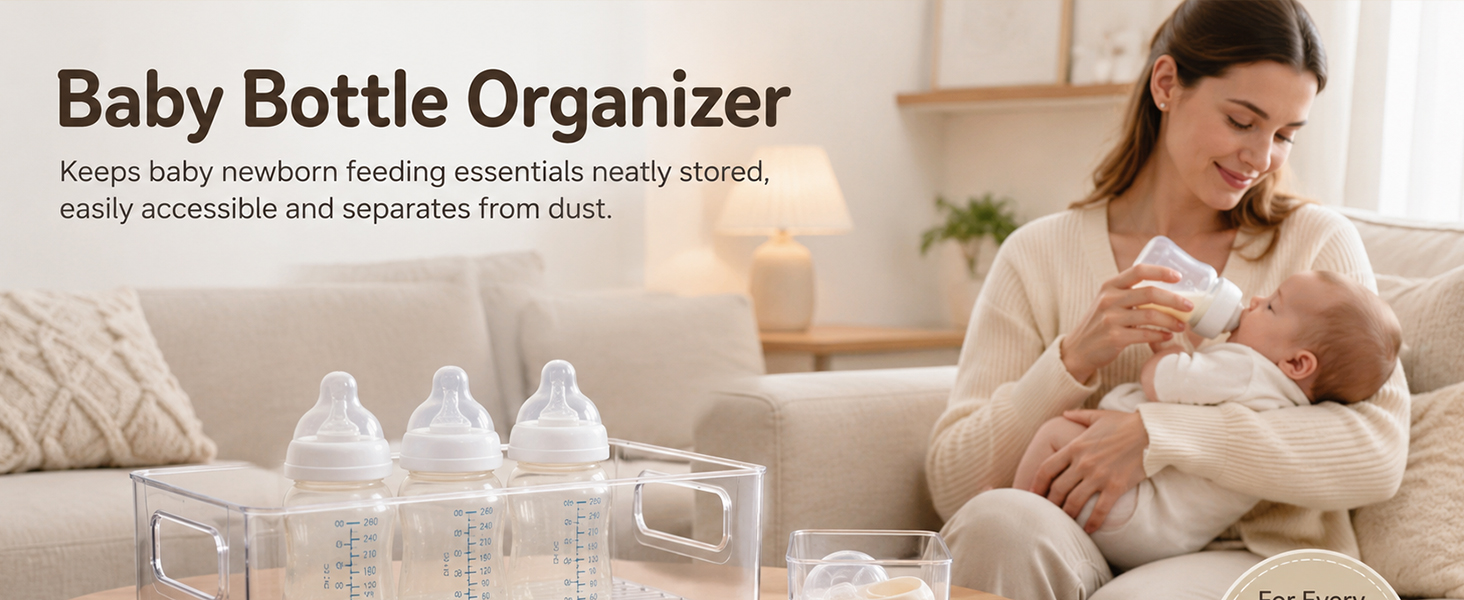
Baby Bottle Organizer Essentials: Clever Storage for Calmer Feedings
If you have ever balanced a sleepy baby on one arm while searching for a clean bottle with the other, you already know that baby bottle storage is not a minor detail. It is part of the feeding routine. A good baby bottle organizer keeps bottles, nipples, caps, and accessories within reach, reduces countertop chaos, and makes middle-of-the-night feedings feel a little less like a scavenger hunt. The right setup does not have to be expensive or elaborate. It simply needs to fit your space, your bottles, and the way you actually live.
Why Baby Bottle Storage Deserves a Place on Your Baby Products List
New parents spend plenty of time comparing strollers, carriers, and cribs, but bottle organization often gets overlooked until the kitchen counter disappears under a pile of drying racks and random lids. A thoughtful storage system changes that. It gives every bottle a home, separates clean items from dirty ones, and creates a clear feeding station that works at 2 p.m. and 2 a.m.
Think of it this way: feeding is one of the most repeated tasks in your day. When the supplies are organized, you spend less time hunting and more time connecting with your baby. That small shift in efficiency can make a surprising difference during exhausting newborn weeks.
Less Clutter, Fewer Middle-of-the-Night Fumbles
Whether you use glass bottles, anti-colic bottles, or wide-neck options, a dedicated organizer keeps the parts together. No more matching nipple sizes by touch in a dark nursery. No more discovering that the one clean bottle is buried behind three half-used water cups. Baby bottle organizers bring calm structure to a routine that can otherwise feel scattered.
Types of Baby Bottle Organizers Worth Considering
There is no single best organizer for every family. The right choice depends on your counter space, cabinet layout, and whether you pump, formula-feed, breastfeed, or combine methods. Here are the most common styles of baby bottle storage:
- Countertop bottle racks: Ideal for keeping frequently used bottles visible and upright. Many include slots for nipples and caps, and some are designed to let bottles dry as they store.
- Drawer dividers and inserts: Great for concealed storage. Adjustable dividers let you create custom compartments for bottles, pump parts, and small accessories.
- Rotating organizers: Useful for compact spaces because they use vertical height instead of spreading across the counter. A quick spin puts the bottle you need in front.
- Travel and diaper-bag storage: Insulated pouches and hard-shell cases protect bottles on the go and prevent leaks from ruining the rest of your bag.
- Cabinet bins and baskets: Simple, flexible, and easy to clean. They work well for grouping bottles by size or purpose.
Countertop vs. Drawer Storage
Countertop organizers are convenient because everything is visible, but they require valuable kitchen real estate. Drawer storage keeps the kitchen looking tidy and protects bottles from dust, but it can make quick access harder if the drawer is deep. A hybrid approach often works best: keep one or two bottles and a drying rack on the counter, then store the rest in a nearby drawer or cabinet.
Good baby bottle storage is not about hiding the mess. It is about making the next feeding easier than the last.
How to Choose the Right Baby Bottle Organizer
Before you buy another baby product, take a quick inventory of what you actually use. Count your bottles, note their widths and heights, and decide whether you need space for pump parts, formula dispensers, or sippy cups. Then use this checklist:
- Measure your space first. A beautiful organizer is useless if it does not fit under the cabinet or inside the drawer.
- Check bottle compatibility. Wide-neck bottles may not fit in narrow slots, and tall bottles can collide with upper shelves.
- Prioritize easy cleaning. Look for smooth surfaces, removable dividers, and materials that wipe clean without trapping milk residue.
- Plan for growth. A modular organizer can shift from newborn bottles to toddler cups without needing a full replacement.
- Keep safety in mind. Avoid unstable stacks, Sharp edges, and organizers that tip easily when bumped.
One small warning: beware of organizing systems that look perfect but require complicated disassembly every time you clean a bottle. Convenience matters more than aesthetics when you are operating on very little sleep.
Baby Bottle Storage Ideas for Every Room
The Nursery Feeding Station
Set up a small basket or caddy near your nursing chair with a clean bottle, burp cloth, nipple, and a water bottle for you. This is especially helpful at night. Keep dirty bottles in a separate bin so clean and used items never mix.
Kitchen Counter and Cabinet
Use a two-zone system: one area for clean, dry bottles and another for bottles waiting to be washed. A drying rack with a removable organizer tray can double as storage. In cabinets, stack bins by bottle size and label them if multiple caregivers share the kitchen.
Diaper Bag and Travel Kit
For outings, choose a sturdy bottle case with a cold pack if needed. Pack only the number of bottles you realistically expect to use, plus one spare. Small mesh pouches can hold nipples and caps so they do not disappear at the bottom of the bag.
Cleaning and Maintenance Habits That Keep Organizers Useful
An organizer only helps if it stays clean and functional. Wipe down countertop racks weekly, wash drawer dividers according to the manufacturer’s instructions, and empty travel cases after every trip. Avoid storing damp bottles in closed bins, because trapped moisture can encourage odors and mildew. Rotate older bottles to the front so you use them before they get pushed to the back.
- Keep a small brush near the sink for cleaning bottle threads and organizer crevices.
- Let bottles air-dry completely before placing them in closed storage.
- Declutter regularly: remove cracked nipples, mismatched caps, and bottles your baby has outgrown.
- Use separate bins for clean and dirty items to avoid confusion.
Final Thoughts: Build a System, Not a Showroom
The best baby bottle organizer is the one that makes your daily routine smoother, not the one that looks best on social media. Focus on accessibility, easy cleaning, and realistic capacity. A simple caddy, a well-placed drawer divider, or a compact countertop rack can transform feeding time from frantic to manageable. With a little planning, baby bottle storage becomes one of those quiet baby products that quietly makes parenting a bit easier every single day.